
Flooring Installation and Repair
- Vinyl plank installation
- Laminate flooring
- Tile installation and repair
- Subfloor repair and leveling
- Flooring removal and disposal
- Transition strip installation

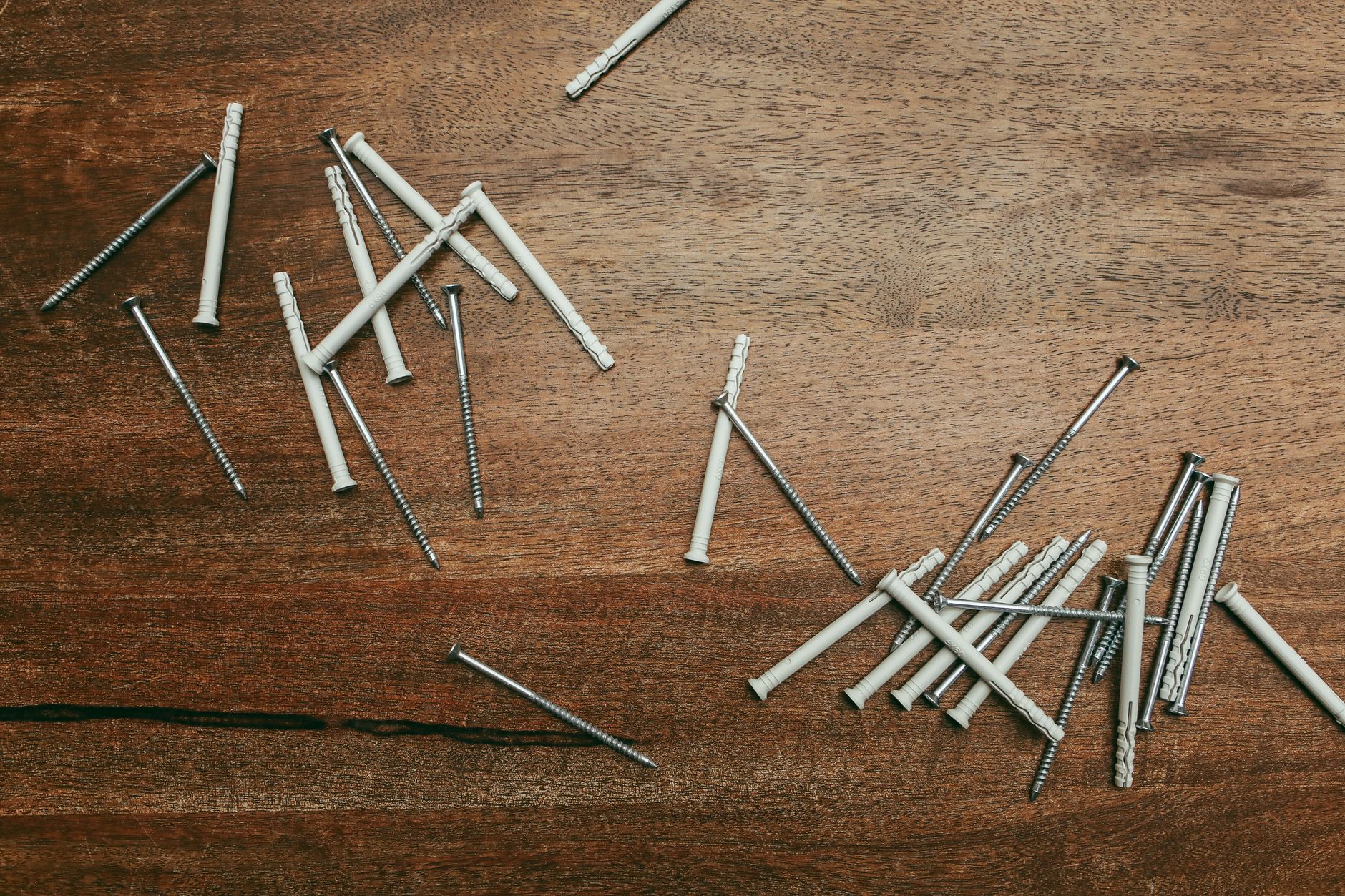



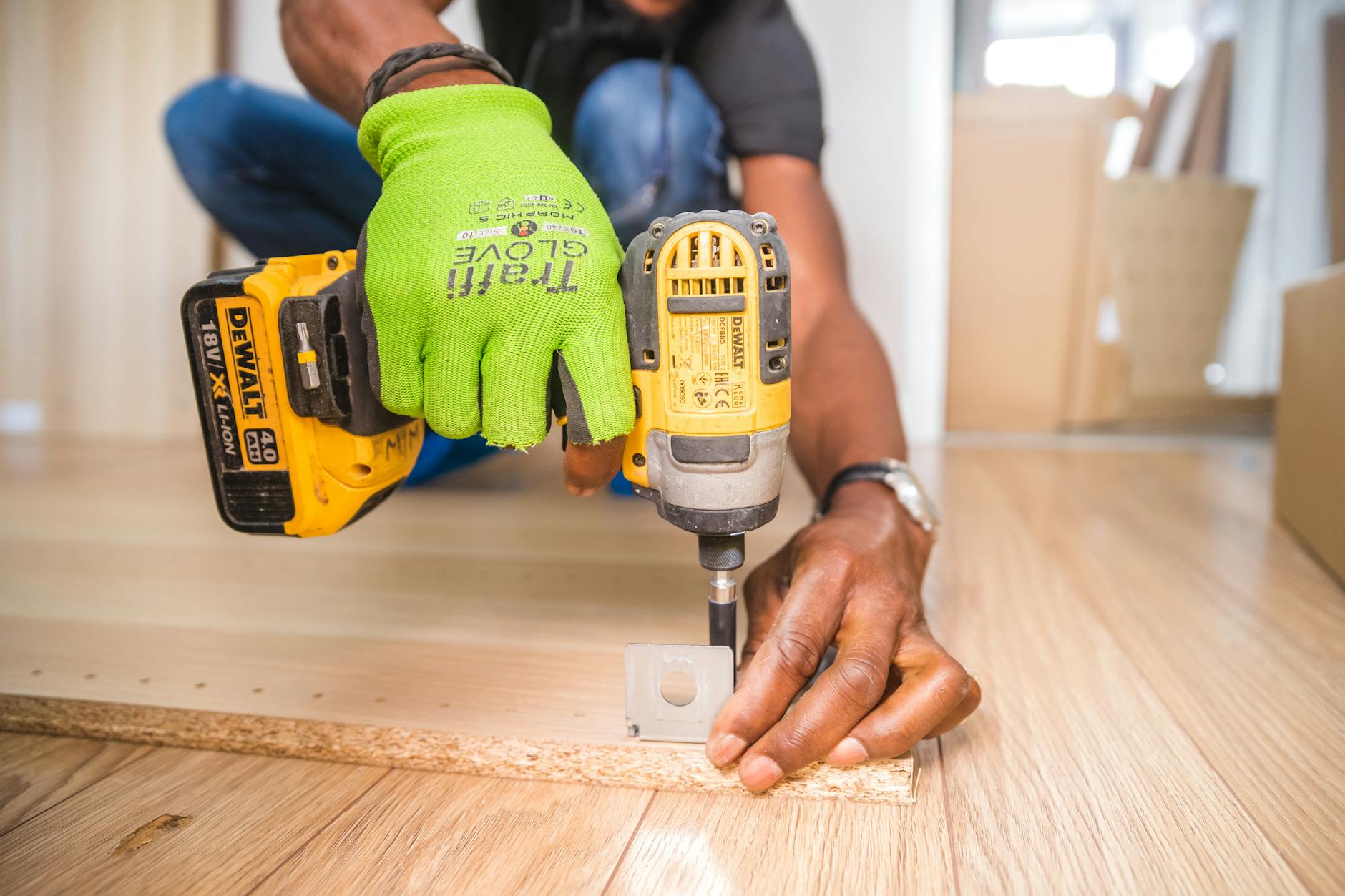
Flooring in Florida has to handle moisture, so we check subfloors carefully before installing anything. Soft spots, water stains, or bounce in the floor means the subfloor needs repair or replacement first — installing over bad substrate just means you'll be redoing the floor in a year.
Vinyl plank is the most common install we do. It's waterproof, it floats over the subfloor, and it goes down fast. A typical 200-square-foot room takes a day — pull the old flooring, check and prep the subfloor, install underlayment if needed, then click the planks together. You can walk on it as soon as it's down, but we recommend waiting 24 hours before moving heavy furniture back in so the floor can settle.
Laminate is similar to vinyl plank but not waterproof, so we don't recommend it in bathrooms, laundry rooms, or anywhere moisture is a concern. Installation process is the same — it's a floating floor that clicks together.
“Installing over bad substrate just means you'll be redoing the floor in a year. We check subfloors carefully before installing anything.”
Tile takes longer. We set tile in thinset mortar, which needs 24 hours to cure before grouting. Then grout needs another 24-48 hours before it's ready for traffic. A bathroom floor is a two- to three-day job: demo and subfloor prep day one, set tile day two, grout and clean day three. Larger areas stretch that timeline.
We also handle flooring repairs — replacing damaged planks in vinyl or laminate, re-grouting tile, fixing squeaky subfloors. If the damage is from water, we'll tell you if it's localized or if there's a bigger problem that needs addressing before we patch it.
Subfloor leveling is necessary when the existing floor has dips or humps. We use self-leveling compound for minor issues or sister in new plywood for more significant problems. Vinyl and laminate need a flat surface or the seams will separate and the floor will feel spongy underfoot.
Transition strips between rooms or between different flooring types are part of every install. We match the finish to the flooring and secure them properly so they don't pull up or create a trip hazard.
Related services we handle on the same job.
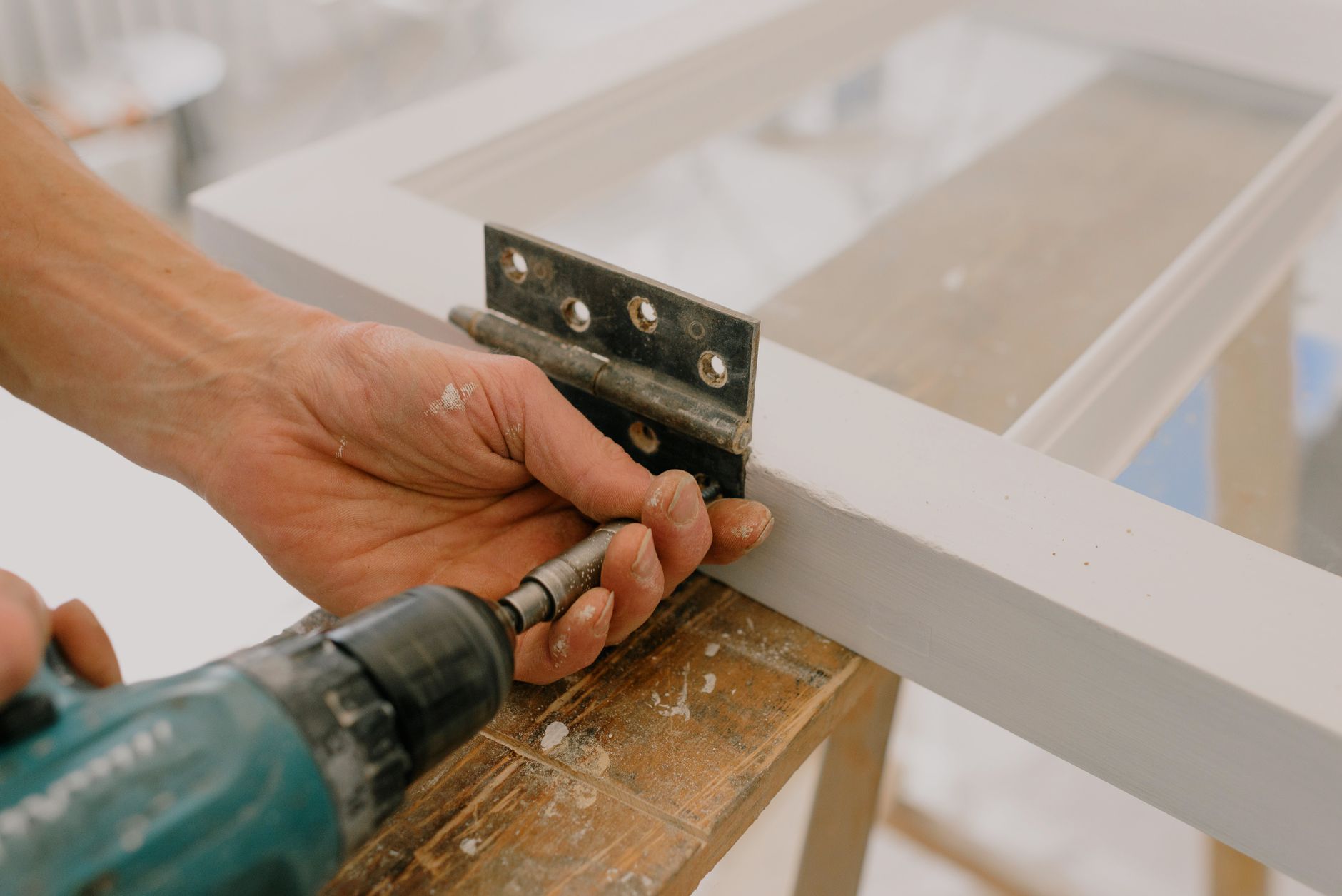
General Handyman Repairs
Drywall patches, door adjustments, outlet swaps, cabinet repairs — the small fixes that pile up.
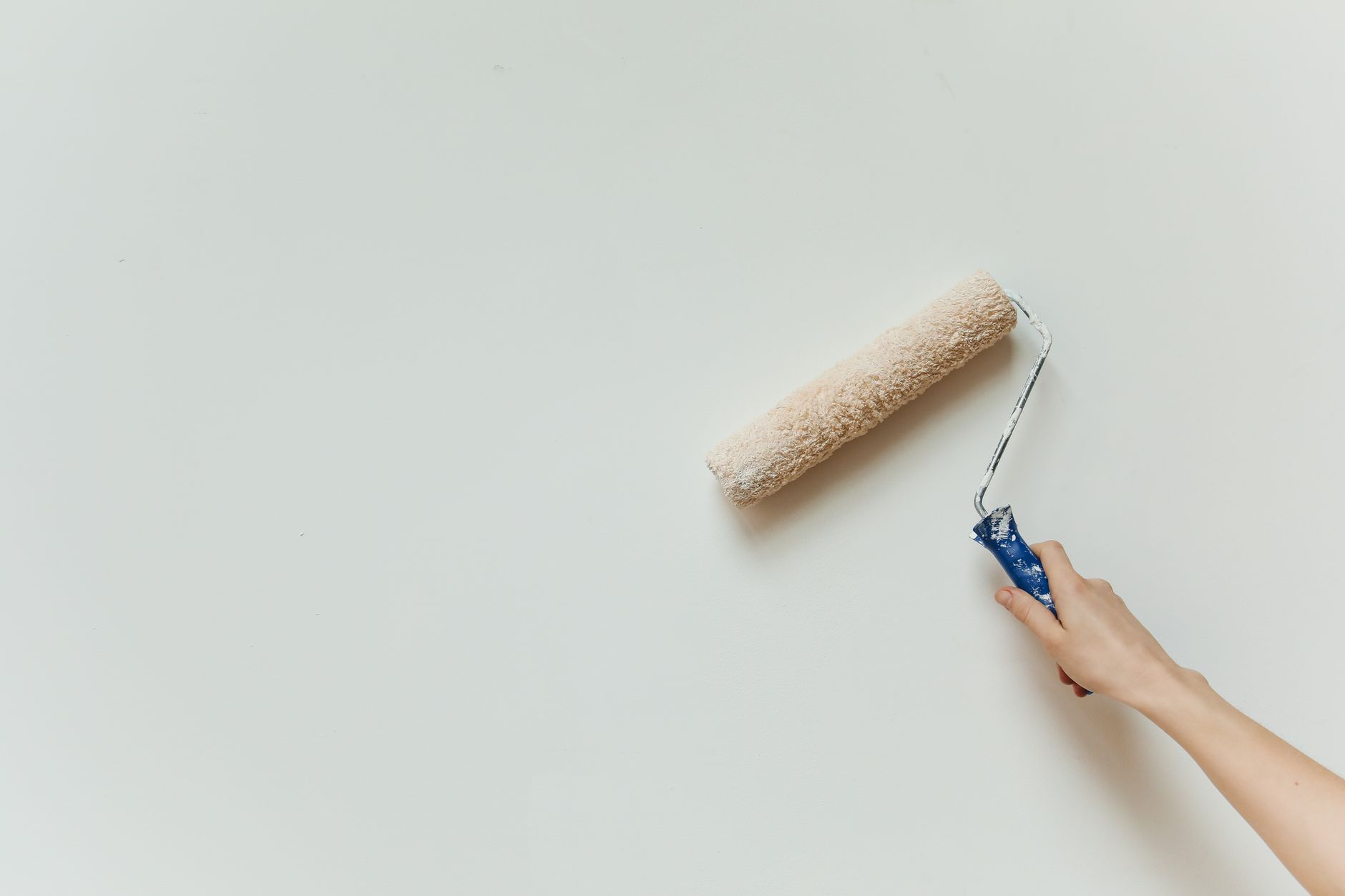
Interior Painting
Walls, trim, ceilings, cabinets — prepped correctly and painted with Sherwin-Williams products.
Mobile Home Repairs
Skirting, underbelly, floor soft spots, and door adjustments for mobile home construction.