General Handyman Repairs
- Drywall patching and texture matching
- Door adjustments and hardware replacement
- Cabinet and drawer repairs
- Outlet and switch replacement
- Trim and baseboard repair
- Caulking and weatherstripping


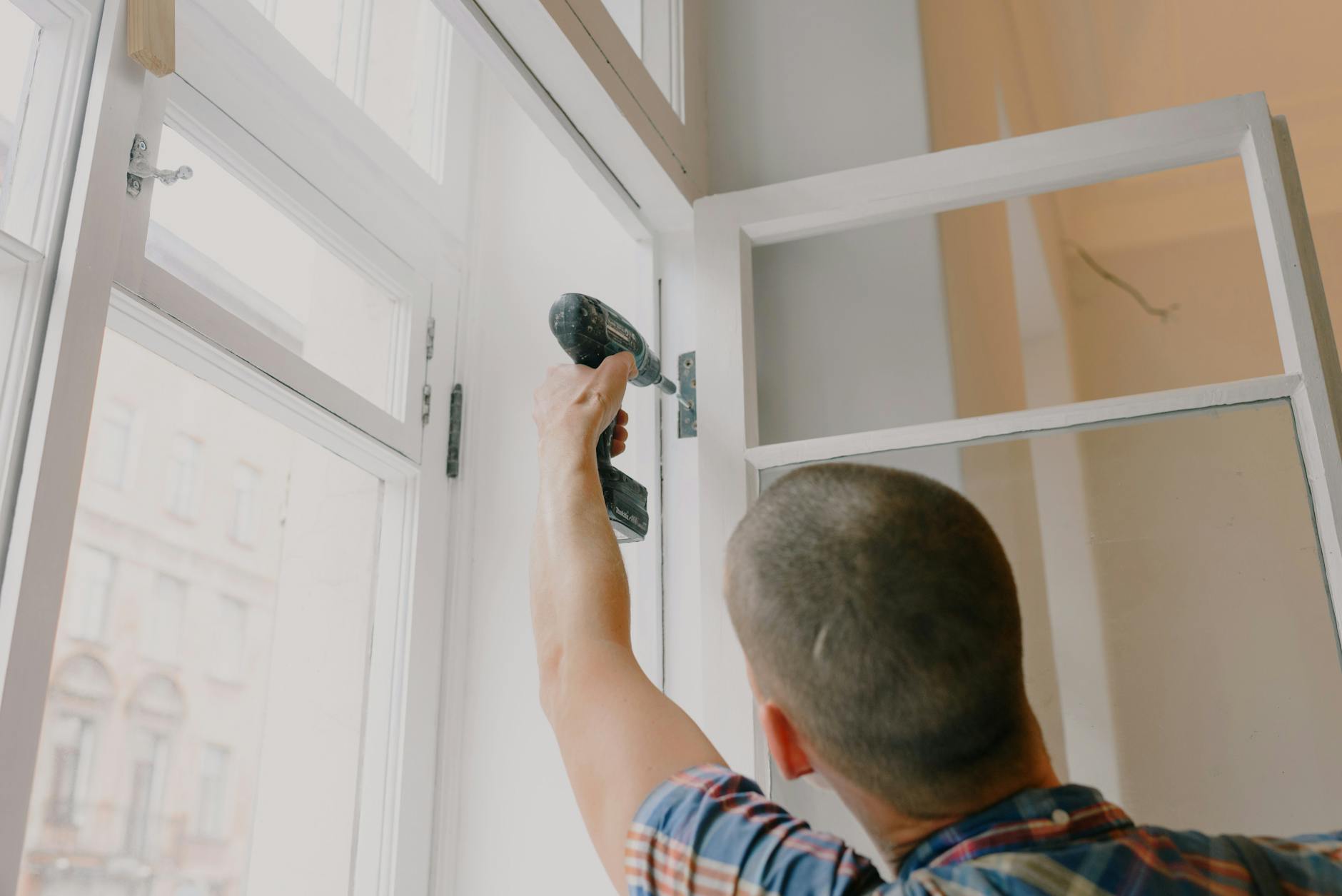


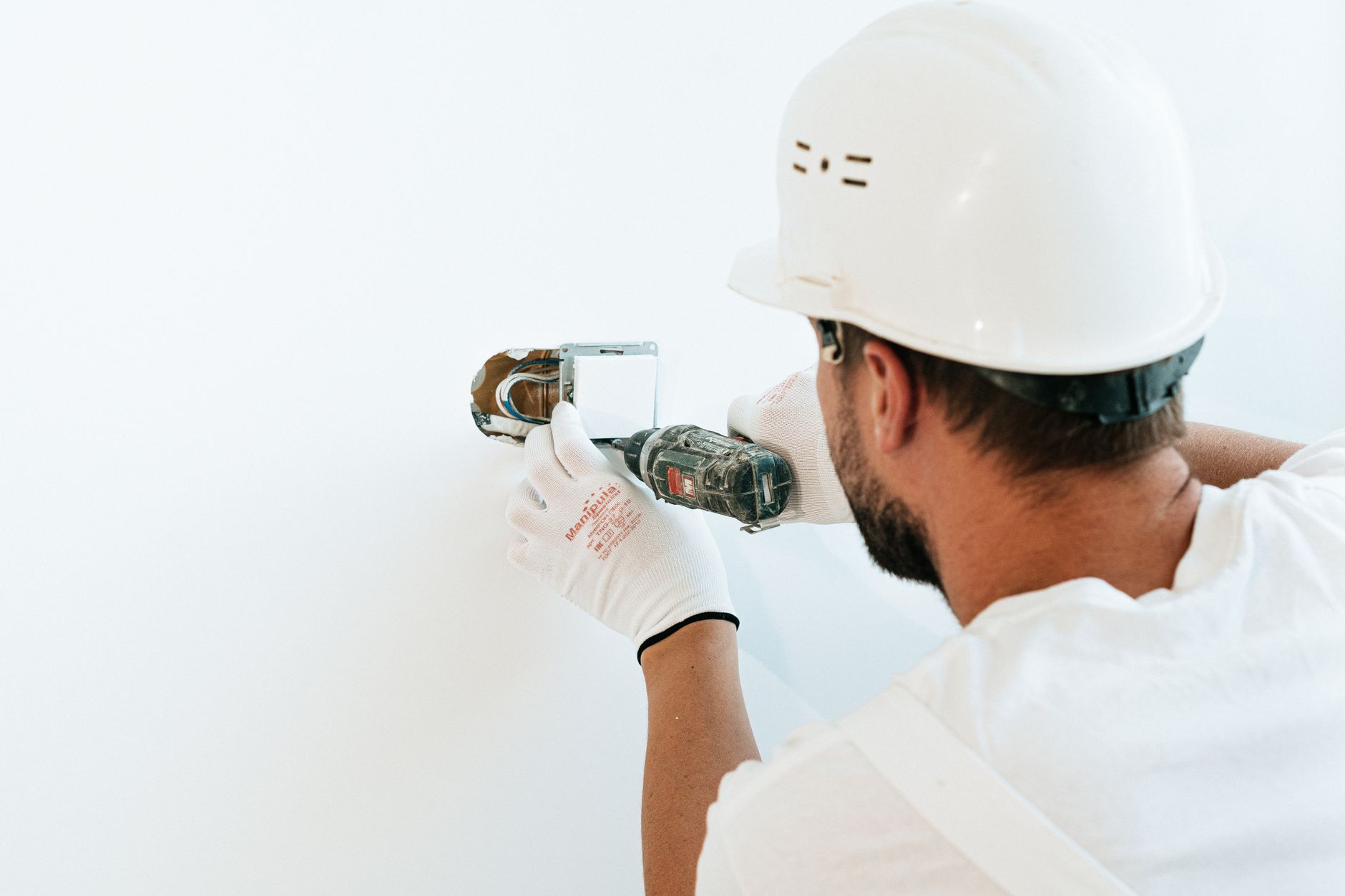
This is the core of handyman work: fixing what's broken without calling three different contractors. We patch drywall holes from doorknobs and picture hooks, replace broken light switches and outlets, fix doors that drag or won't close, tighten loose cabinet hardware, replace broken drawer slides, and handle the hundred other small repairs that come with owning a home in Florida's humidity.
Most repairs take an hour or two. If it's something we can diagnose over the phone and we have the part on the truck, we'll knock it out the same day. If we need to order a specific hinge, faucet cartridge, or specialty fastener, that's usually a two-trip job — measure and order, then install when it arrives.
We carry basic hardware, fasteners, drywall compound, caulk, and common electrical components. For anything proprietary — specific toilet fill valves, brand-specific cabinet hardware, discontinued trim profiles — we'll identify what's needed and either source it or tell you where to pick it up if you want to save the markup.
“Most repairs take an hour or two. If we can diagnose it over the phone and we have the part on the truck, we'll knock it out the same day.”
Florida homes, especially older ones and mobile homes, deal with moisture constantly. That means we're often fixing rot in door jambs, replacing water-damaged baseboards, or re-securing trim that's pulled away as the wood swelled and shrank. We'll tell you if the fix is cosmetic or if there's a bigger moisture issue that needs addressing first.
Drywall patching is straightforward for small holes — fill with spackle, sand smooth, prime, and paint. Larger holes need a backer board or a California patch, then taping and multiple coats of drywall compound. Texture matching is hit-or-miss — we'll get close on orange peel or knockdown, but it won't be invisible under certain light.
Door adjustments usually mean planing the edge that's rubbing, tightening hinge screws, or shimming the jamb if the door has settled. If the door is badly warped or the frame is out of square, replacement might be the better answer. We'll tell you which makes sense before we start.
Cabinet repairs are mostly hardware — replacing broken hinges, tightening loose screws, adjusting doors so they close flush. Drawer slides that bind or fall off the track get replaced with new slides that match the size and weight rating. If the cabinet box itself is falling apart — particle board that's swollen from moisture — that's usually a replacement situation, not a repair.
Related services we handle on the same job.
Interior Painting
Walls, trim, ceilings, cabinets — prepped correctly and painted with Sherwin-Williams products.
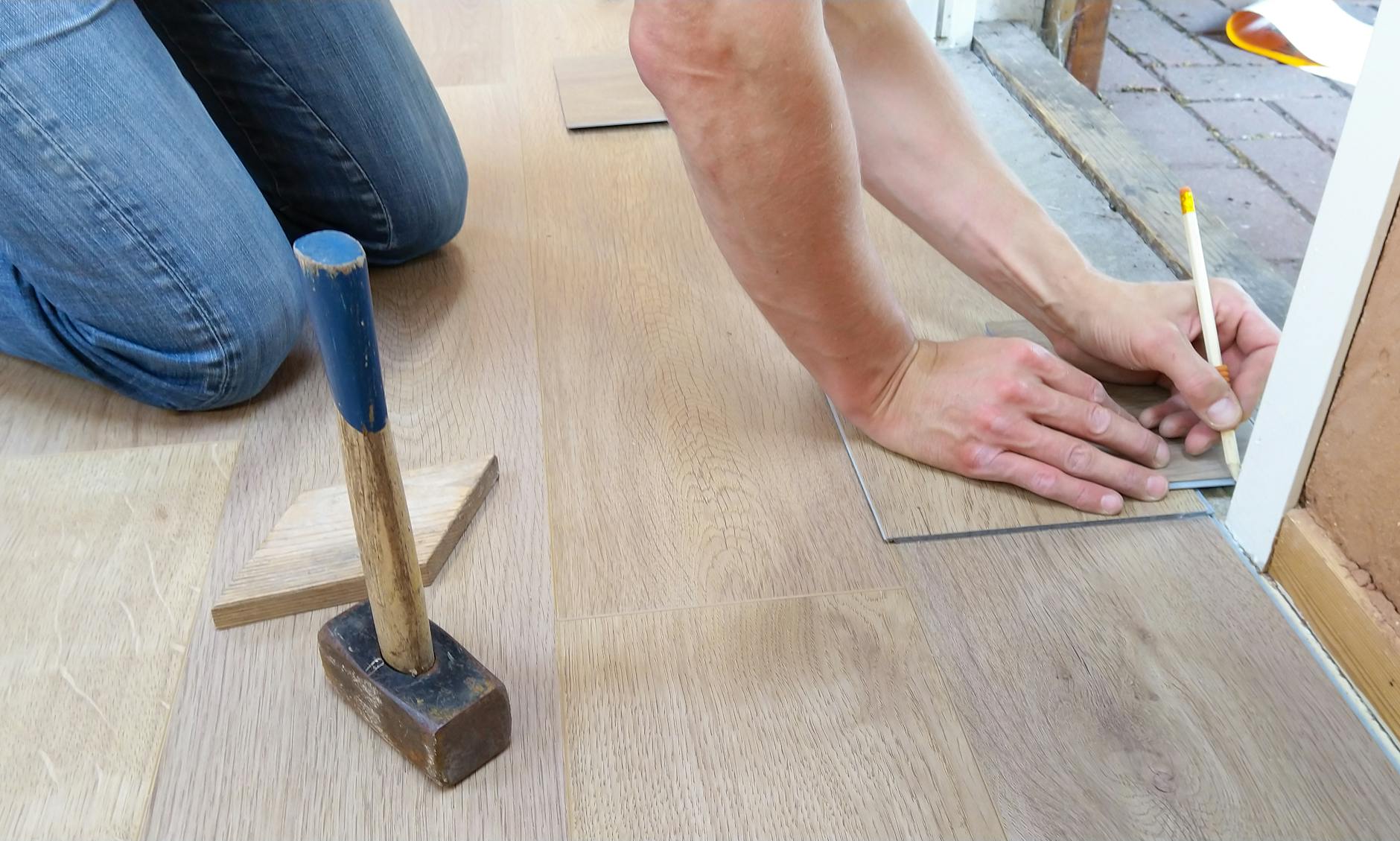
Flooring Installation and Repair
Vinyl plank, laminate, tile — installation and repair with subfloor checks for soft spots.
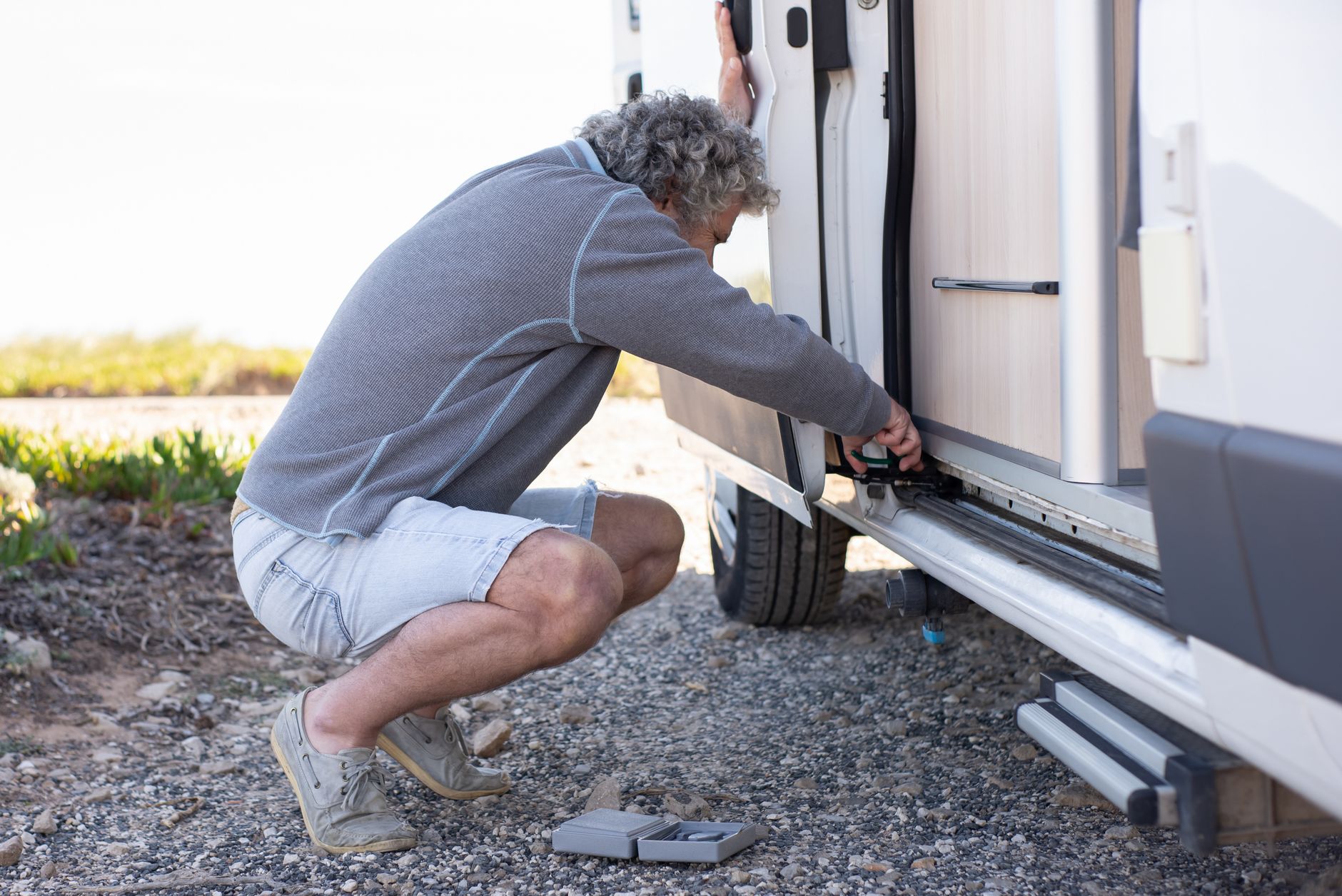
Mobile Home Repairs
Skirting, underbelly, floor soft spots, and door adjustments for mobile home construction.